For many families, daycare is the natural starting point.
It offers structure, socialization, and a reliable solution for working parents.
And for some children, it works beautifully.
But for others, there comes a moment — sometimes subtle, sometimes obvious — when parents begin to feel:
Something isn’t quite right.
Maybe your child seems overwhelmed at the end of the day. Or mornings have become a struggle. Maybe your schedule no longer aligns with rigid daycare hours.
Or maybe you can’t point to a single issue — but your instincts are telling you something needs to change.
That feeling matters.
Because while daycare is a valuable option, it is not a one-size-fits-all solution.
Every child has unique needs — emotionally, developmentally, and temperamentally.
And when those needs aren’t being fully met, the impact can show up in ways that are easy to miss at first.
In this guide, we’ll walk through the most common signs that daycare may no longer be the right fit — and what you can do next to create a more supportive environment for your child.
Why Personalized Childcare Matters
Before diving into the signs, it’s important to understand why personalized care makes such a difference.
Children thrive when they receive:
Consistent attention
Predictable routines
Emotional responsiveness
Developmental support tailored to their pace
According to the American Academy of Pediatrics, stable, responsive caregiving plays a critical role in a child’s emotional and cognitive development.
While daycare can provide structure, it cannot always provide the individualized attention some children need to truly thrive.
Sign #1: Your Child Is Frequently Overstimulated
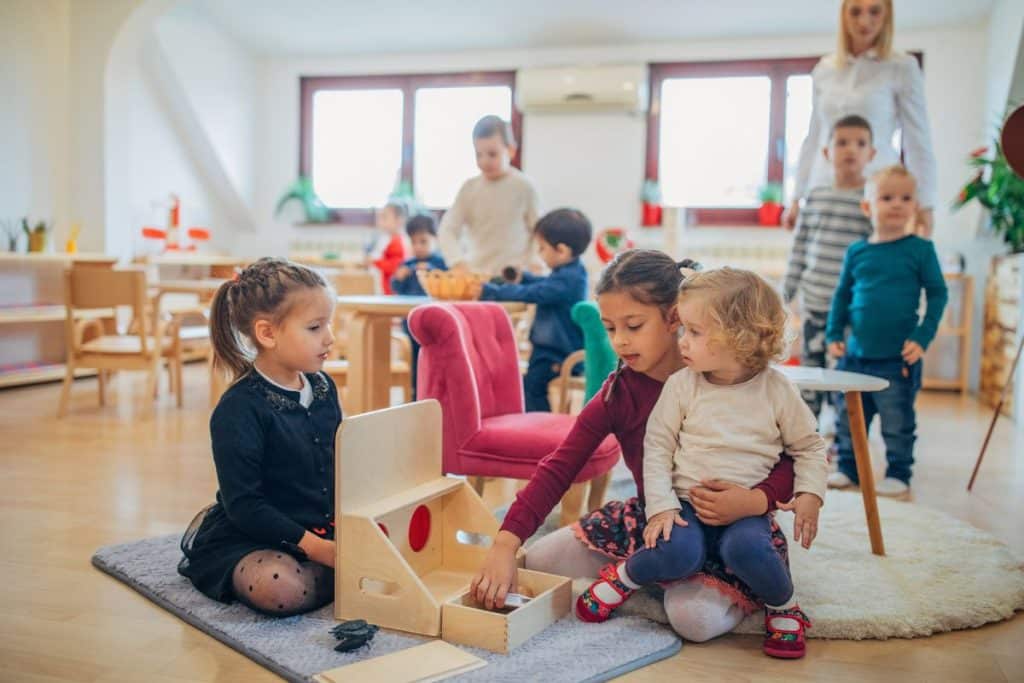
Daycare environments are naturally busy.
They often include:
Multiple children
Constant activity
Noise and transitions
For some children, this is energizing.
For others, it can be overwhelming.
Signs of overstimulation include:
Irritability after daycare
Difficulty winding down at home
Emotional outbursts
Increased fatigue
If your child seems consistently overwhelmed, it may be a sign they need a calmer, more controlled environment.
A nanny provides:
Reduced sensory input
More predictable routines
A pace tailored to your child
Sign #2: Mornings Have Become a Daily Struggle
One of the clearest indicators that something isn’t working is resistance.
If your child:
Cries at drop-off
Clings to you
Expresses reluctance to go
it may signal discomfort with the environment.
While some adjustment is normal, ongoing distress should not be ignored.
A more personalized childcare setting can ease transitions and reduce anxiety.
Sign #3: Your Child Isn’t Getting Enough Individual Attention
Daycare centers operate with caregiver-to-child ratios.
This means attention is divided.
Even in high-quality centers, caregivers must:
Manage multiple children
Follow group schedules
Balance competing needs
As a result, your child may not receive:
One-on-one interaction
Tailored activities
Individualized learning support
In contrast, a nanny focuses entirely on your child’s:
Development
Interests
Emotional needs
Sign #4: Frequent Illness Is Disrupting Your Routine
Exposure to illness is common in group settings.
But for many families, it becomes a recurring challenge:
Frequent colds
Missed workdays
Interrupted sleep
Ongoing fatigue
While some exposure is inevitable, constant illness can disrupt:
Your child’s routine
Your work schedule
Your overall household stability
A private childcare environment significantly reduces exposure.
Sign #5: Your Schedule No Longer Aligns With Daycare Hours
Modern family life is rarely 9-to-5.
Many parents have:
Early meetings
Late workdays
Travel commitments
Unpredictable schedules
Daycare, however, operates within fixed hours.
This mismatch often leads to:
Daily stress
Rushed routines
Limited flexibility
A nanny provides care that adapts to your schedule — not the other way around.
Sign #6: Behavioral Changes at Home
Sometimes, the signs are less obvious.
Instead of external challenges, you may notice shifts in behavior:
Increased frustration
Withdrawal
Difficulty transitioning between activities
Regression in routines
These changes can indicate that your child is struggling to adapt to their environment.
A more personalized setting allows for:
Emotional support
Consistent guidance
Individual attention
Sign #7: You Want More Involvement in Your Child’s Daily Routine
In daycare settings, communication is often limited to:
Brief updates
General summaries
Group-based observations
Many parents want more visibility into:
What their child is learning
How their child is feeling
How their child is progressing
With a nanny, communication becomes:
Direct
Detailed
Ongoing
This allows for stronger alignment between caregiver and parent.
Sign #8: Your Child Has Unique Developmental Needs
Some children benefit from:
Slower-paced learning
Specialized attention
Consistent guidance
This may include:
Speech development
Emotional regulation
Behavioral support
Daycare environments may not always have the capacity to provide individualized attention at this level.
A nanny can tailor care to your child’s specific needs.
Sign #9: You Feel Constantly Stressed Managing Childcare
Sometimes, the biggest indicator isn’t your child — it’s your experience.
If childcare feels:
Logistically overwhelming
Emotionally draining
Difficult to manage daily
it may be time to reevaluate your setup.
The right childcare solution should:
Reduce stress — not create it.
Why Families Transition to Nanny Care
When daycare no longer meets a family’s needs, many turn to nanny care for: