


The role of the professional nanny has changed dramatically over the past decade—and by 2026, families’ expectations have reached an entirely new level. No longer viewed as casual childcare support, today’s professional nanny is a trained, career-driven individual who plays a critical role in a child’s development, household stability, and long-term family success.
Families in Houston, Austin, and Dallas increasingly seek nannies who bring structure, professionalism, emotional intelligence, and accountability into the home. As a result, understanding what truly defines a professional nanny—and how that differs from casual childcare or babysitting—has never been more important.
This guide explains what defines a professional nanny in 2026, the qualifications families should expect, how the role differs from a babysitter, and why working with a professional nanny placement agency ensures the highest standard of care.
In years past, nanny roles were often informal, loosely defined, and based on availability rather than expertise. However, modern families require far more support.

Several factors have reshaped the profession:
As a result, the professional nanny of 2026 is expected to function as a trusted, skilled member of the household—not a temporary helper.
A professional nanny is a career childcare provider who approaches their role with intention, education, and accountability.
Unlike casual caregivers, professional nannies operate with structure and purpose.
Families seeking elite childcare should understand what qualifications separate professional nannies from informal caregivers.

A professional nanny typically has:
This experience ensures adaptability and confidence.
While degrees are not always required, professional nanny qualifications often include:
Families increasingly prioritize education as part of modern nanny standards.
Professional nannies understand:
This professionalism protects both the family and the nanny.
One of the most common questions families ask is how a certified nanny differs from a babysitter.
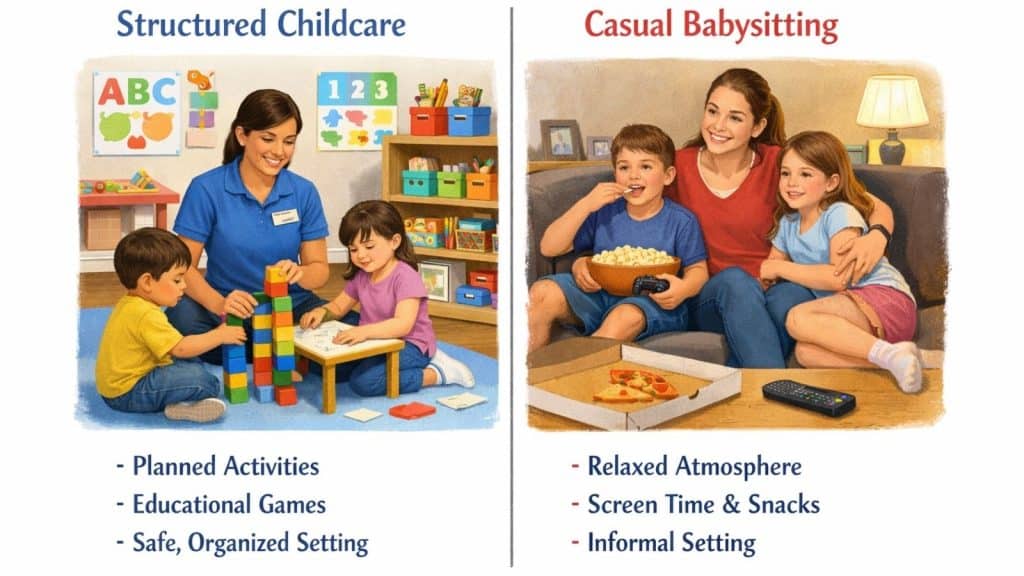
Understanding the certified nanny vs babysitter distinction helps families hire appropriately for their needs.
In 2026, professional nannies are expected to support more than basic care.
A professional nanny:
This partnership enhances consistency across home and family values.
Families today are more informed than ever. As a result, they expect childcare providers to meet higher standards.
Professional nannies are expected to:
Families no longer accept ambiguity around care standards.
Beyond childcare, professional nannies contribute to the smooth operation of the household.
Professional nannies:
This reliability reduces stress for parents and children alike.
Given the elevated expectations of 2026, how families hire matters as much as who they hire.
Families benefit from a structured hiring process that evaluates experience, personality, and professionalism—not just availability.
Not all experience is equal. Families should look beyond resumes.
Understanding which qualifications matter most helps families avoid mismatches.

In executive, UHNW, and high-profile families, expectations are even higher.
Professional nannies in these households must:
Elite families view professional nannies as trusted partners.
Looking ahead, professional nannies will increasingly:
Families who hire with a forward-thinking mindset benefit long-term.
As standards rise, families increasingly rely on professional agencies to identify top-tier candidates.
A professional nanny placement service:
Families seeking clarity, quality, and long-term success often choose to work with Nanny Placement Services through Elite Nanny League, where professionalism and discretion are central to every placement.
By 2026, the definition of a professional nanny is clear. Families expect experience, education, accountability, and professionalism—not improvisation.
Understanding these standards empowers families to make informed hiring decisions that support their children, household, and long-term goals.
A professional nanny is no longer a convenience—it is a strategic investment in family well-being.
Schedule your consultation today!
Questions? We’re here to help.


