For decades, traditional daycare centers were considered the standard childcare solution for working families. Structured schedules, group learning environments, and centralized care made daycare a practical option for many households.
But in recent years, more families have begun reevaluating what they truly want from childcare—and increasingly, the answer is personalized support.
Today’s parents are prioritizing flexibility, individualized attention, consistency, and emotional security in ways that traditional childcare models do not always provide. As a result, personalized childcare solutions such as professional nanny care are becoming increasingly popular among modern families.
This shift is not simply about convenience or luxury. It reflects changing family dynamics, evolving work schedules, and a deeper understanding of child development and emotional well-being.
For families exploring childcare options, understanding why personalized childcare is growing in demand can help clarify what type of support best aligns with their household’s needs.
Families Want More Individualized Attention for Their Children
One of the primary reasons families are moving toward personalized childcare is the desire for individualized attention.
In traditional daycare environments, caregivers are responsible for managing multiple children at once. Even in high-quality centers, staff-to-child ratios naturally limit the amount of one-on-one interaction each child receives.
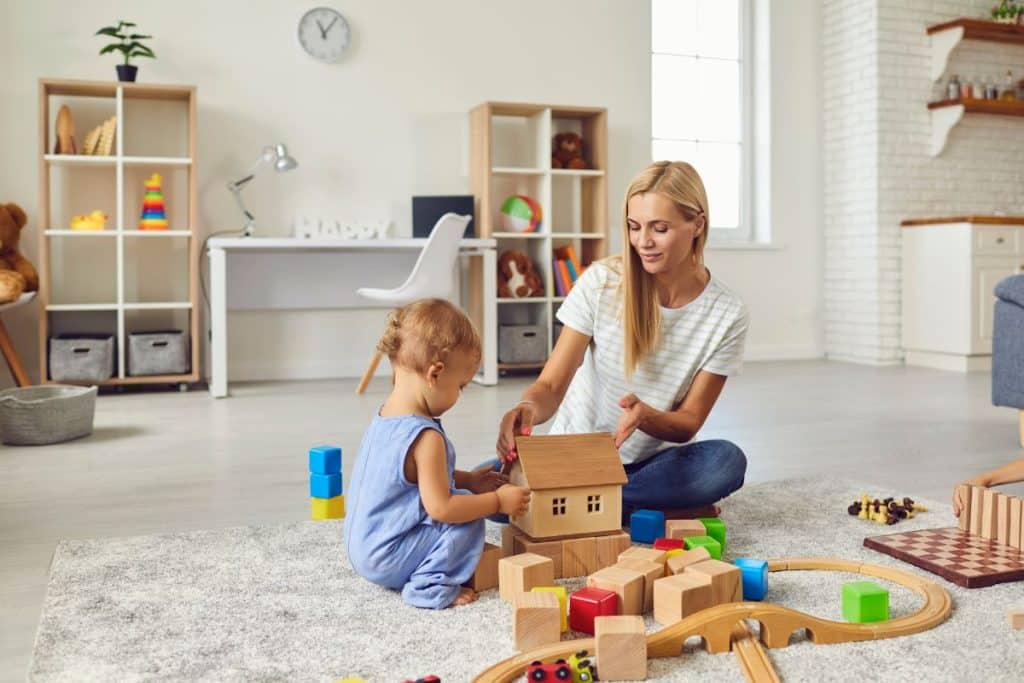
Personalized childcare creates a completely different experience.
A dedicated nanny can tailor care specifically to a child’s:
Personality
Developmental stage
Learning style
Emotional needs
Daily routine
This individualized attention allows children to receive more responsive and consistent care throughout the day.
According to the Harvard Center on the Developing Child, responsive and stable caregiving relationships are essential to healthy emotional and cognitive development.
Children often thrive when their environment is designed around their unique needs rather than generalized group structures.
Modern Work Schedules Require Greater Flexibility
Today’s families rarely operate on predictable schedules.
Remote work, hybrid schedules, business travel, demanding careers, and nontraditional work hours have changed what families need from childcare support.
Traditional daycare centers often operate within fixed hours, which can create challenges for parents with evolving schedules.
Personalized childcare offers flexibility that many modern households now consider essential.
Professional nannies can often accommodate:
Early mornings
Evening schedules
Travel support
School pickups and activities
Last-minute schedule changes
Seasonal adjustments
This flexibility reduces stress for parents while creating smoother transitions for children throughout the day.
Consistency Has Become a Major Priority for Families
Consistency is one of the most valuable aspects of personalized childcare.
Children benefit significantly from having a familiar and trusted caregiver who understands their routines, preferences, and emotional needs.
In daycare settings, staffing changes, classroom transitions, and rotating caregivers can sometimes disrupt consistency.
With personalized childcare, children build stronger long-term relationships with a consistent caregiver.
This often leads to:
Greater emotional security
Easier routines
Reduced separation anxiety
More predictable daily structure
HealthyChildren.org, supported by the American Academy of Pediatrics, emphasizes the importance of consistent caregiving environments for children’s emotional development.
For many families, this emotional stability has become a deciding factor when choosing childcare.
Personalized Childcare Supports the Entire Household
Another major advantage of in-home childcare is that it supports not only the child, but the overall household dynamic.
Unlike traditional daycare, personalized childcare can integrate seamlessly into a family’s daily life.
Professional nannies often assist with:
School routines
Child-related meal preparation
Activity coordination
Homework support
Maintaining schedules and routines
Travel preparation
This level of support helps reduce mental overload for parents and creates a more organized household environment overall.
For busy families, childcare is no longer viewed simply as supervision—it’s viewed as a foundational support system.
Health and Wellness Concerns Have Shifted Priorities
In recent years, many families have become increasingly mindful of health and wellness considerations within group childcare environments.
While daycare centers follow safety protocols, shared environments naturally increase exposure to common illnesses and disruptions.
Personalized childcare offers families greater control over:
Daily environments
Exposure levels
Hygiene routines
Nutrition preferences
Sleep schedules
Wellness practices
This individualized approach provides additional peace of mind for many parents, particularly those with infants, young toddlers, or children with specific health considerations.
Children Benefit From More Flexible Learning Opportunities
Personalized childcare also allows for more customized educational and developmental experiences.
Professional nannies can create activities based on a child’s:
Interests
Developmental pace
Attention span
Strengths and challenges
This flexibility allows learning to happen naturally throughout the day instead of following rigid group schedules.
Activities may include:
Reading and language development
Creative play
Outdoor exploration
Emotional regulation support
Age-appropriate educational activities
Children often feel more comfortable learning in familiar and low-pressure environments where activities can be adapted to their individual needs.
Parents Are Prioritizing Work-Life Balance Differently
Many families today are rethinking the relationship between work, parenting, and household management.
Rather than simply “making childcare work,” parents are seeking solutions that improve overall quality of life.
One of the most meaningful aspects of personalized childcare is the relationship that develops between families and caregivers over time.
Long-term nanny placements often create deep levels of trust, consistency, and emotional connection.
Children benefit from having a caregiver who:
Understands their personality deeply
Knows their routines intuitively
Supports emotional development consistently
Builds long-term trust and familiarity
For parents, this consistency creates confidence and peace of mind that is difficult to replicate in rotating childcare environments.
Why Families Are Choosing Professional Nanny Agencies
As demand for personalized childcare continues to grow, many families are turning to professional nanny agencies for support.
Professional agencies help families identify caregivers who align with:
Household lifestyle
Parenting philosophy
Schedule needs
Personality compatibility
Long-term childcare goals
At Elite Nanny League, the focus is on creating thoughtful, long-term placements that support both children and parents through personalized care solutions.
Final Thoughts
Traditional daycare continues to serve many families well, but modern households are increasingly seeking childcare solutions that offer greater flexibility, consistency, and individualized support.
Personalized childcare is not simply a trend—it reflects a broader shift toward intentional family support systems designed around the unique needs of both children and parents.
For many families, the value of personalized care lies not only in convenience, but in the stability, emotional security, and balance it creates throughout the home.
Because ultimately, childcare is about far more than supervision. It’s about creating an environment where children and families can truly thrive.