When families hire a professional nanny, they naturally look at experience, personality, references, and childcare philosophy.
But there is another area that deserves careful attention:
Safety preparation.
A professional nanny may spend many hours each week independently caring for children. They may prepare meals, supervise swimming, drive children to school, manage outings, travel with the family, administer authorized medications, or respond when a child becomes sick or injured.
Most days will never involve a serious emergency.
But if one does occur, preparation matters.
That's why nanny safety certifications and appropriate emergency training should be part of the conversation when families evaluate professional childcare candidates.
CPR and First Aid training are among the most important credentials to consider, while additional training may be valuable depending on the children's ages, medical needs, household environment, and nanny's responsibilities.
Certifications alone don't make someone an exceptional nanny. Experience, judgment, communication, and compatibility remain essential.
However, the right safety training can help ensure that an otherwise exceptional childcare professional is better prepared when ordinary family life suddenly becomes an emergency.
Why Safety Training Matters for Professional Nannies
Parents can't anticipate every situation their nanny may encounter.
A child could fall at a playground.
An infant could begin choking during a meal.
A child could experience an allergic reaction.
Someone could be injured during an outing.
An emergency could occur while the nanny is traveling with the family or driving between activities.
Professional caregivers need to know how to respond appropriately while remaining calm enough to take action.
Formal safety training provides structured instruction and opportunities to practice emergency-response skills.
Families should therefore consider both a nanny's practical experience and whether relevant safety training is current.
1. Pediatric CPR Certification
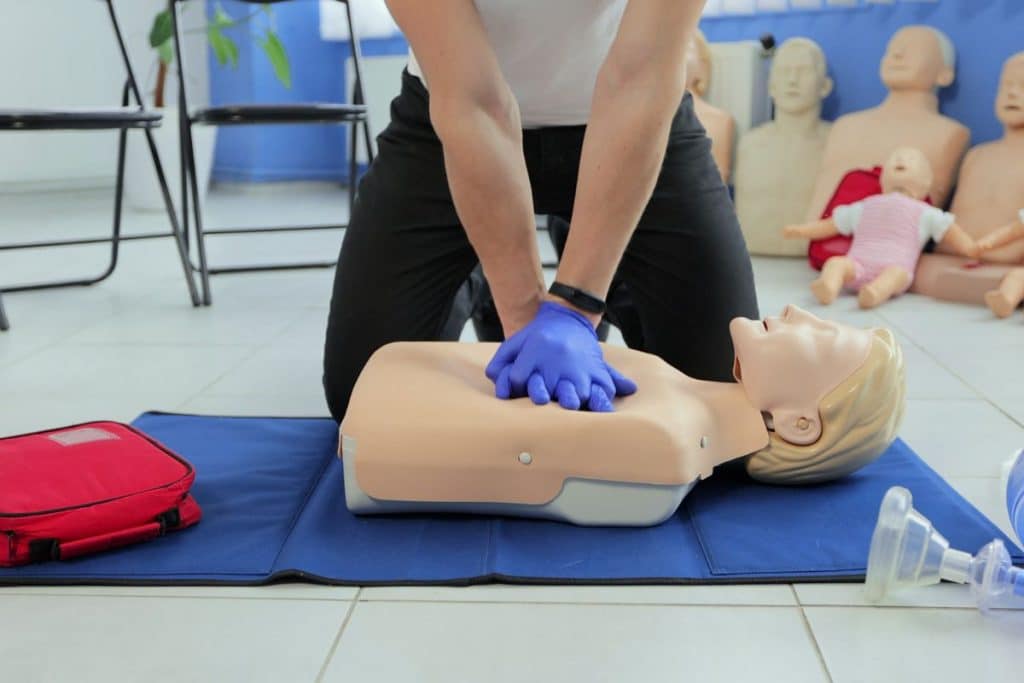
Pediatric CPR is one of the most important forms of safety training for professional nannies.
Cardiopulmonary resuscitation training teaches participants how to respond when someone is unresponsive and isn't breathing normally.
For nannies, age-specific instruction is particularly important because CPR techniques differ depending on whether the person requiring assistance is an infant, child, or adult.
A nanny caring for young children should understand the appropriate response for the ages under their supervision.
Families should not simply ask:
"Have you ever taken CPR?"
A better question is:
"Is your pediatric CPR training current, and when does it need to be renewed?"
Certifications expire, and emergency skills can become less familiar when they aren't practiced.
Current training is therefore more meaningful than a certificate earned many years ago.
Families can review current CPR course options through the American Red Cross.
2. First Aid Certification
Children experience bumps, cuts, falls, burns, and other injuries.
Most are minor.
But professional caregivers need to understand when basic First Aid is appropriate and when a situation requires additional medical attention.
First Aid courses may cover topics such as bleeding, burns, injuries, sudden illnesses, and other emergency situations, depending on the specific program.
For families, First Aid training provides another indication that a nanny has taken deliberate steps to prepare for situations that may occur while children are under their supervision.
First Aid and CPR are often offered together, making combined training particularly practical for professional caregivers.
An automated external defibrillator, or AED, is designed to help respond to certain life-threatening cardiac emergencies.
AEDs can be found in airports, schools, gyms, community centers, offices, and other public spaces.
Many CPR courses incorporate AED instruction.
For nannies who regularly accompany children to schools, sporting events, community facilities, airports, or other public locations, knowing how to use an AED can be another valuable emergency skill.
Families evaluating nanny safety certifications can ask whether a candidate's CPR course included AED training rather than assuming it did.
4. Infant and Child Choking Response Training
Choking is a particularly important concern for caregivers of infants and young children.
A nanny responsible for feeding children should understand age-appropriate choking response techniques.
This training is frequently incorporated into pediatric CPR or First Aid programs, but families should verify the content of the nanny's course.
Caregivers should also understand the importance of prevention.
That can include appropriate food preparation, age-appropriate feeding practices, supervision during meals, and awareness of common choking hazards.
The American Academy of Pediatrics' HealthyChildren.org provides families with pediatrician-supported information covering children's health and safety, including age-specific guidance for parents and caregivers.
5. Infant-Specific Safety Training
Families hiring a nanny for a newborn or young infant may want to consider additional infant-focused education.
Infant care involves safety considerations that differ substantially from caring for older children.
Depending on the training program, infant-focused education may address feeding, safe handling, soothing, bathing, recognizing signs of illness, developmental expectations, and other newborn care topics.
Families should evaluate the actual content and credibility of a program rather than assuming every certificate with "newborn" in its title represents the same level of training.
The nanny's hands-on infant experience and professional references remain equally important.
Training should support experience—not replace it.
6. Safe Sleep Education for Infant Caregivers
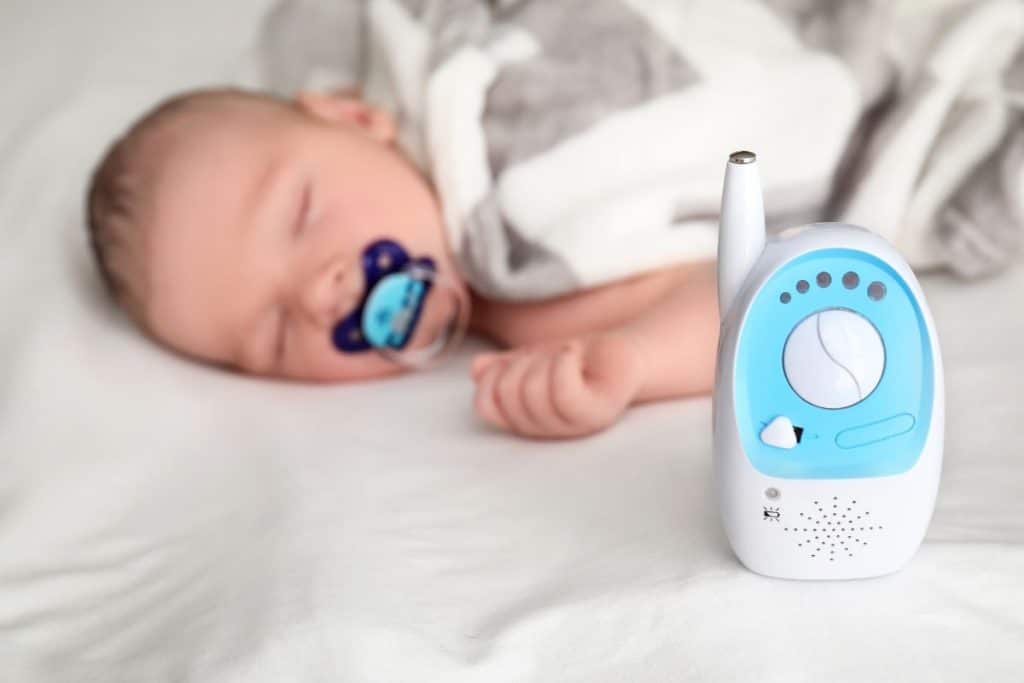
Safe sleep knowledge is especially important for anyone caring for infants.
Recommendations can change as new evidence becomes available, so professional caregivers should stay familiar with current guidance rather than relying exclusively on practices they learned years ago.
Families hiring an infant nanny can discuss safe sleep during interviews.
Ask candidates to explain how they create an appropriate infant sleep environment and how they stay informed about current recommendations.
The goal isn't simply to hear that someone has completed a course.
It is to determine whether they can apply safety knowledge consistently during everyday childcare.
7. Food Allergy and Anaphylaxis Preparedness
For families with children who have diagnosed food allergies, allergy preparedness can become an essential part of nanny training.
The nanny needs to understand the family's specific allergy-management plan and know how to respond if an emergency occurs.
Depending on the child's needs and guidance from their healthcare professionals, this may include understanding allergen avoidance, recognizing symptoms, preventing cross-contact, and knowing how to follow the child's emergency care plan.
Families should provide nannies with clear instructions specific to their child's medical needs rather than expecting a general safety certification to replace individualized guidance from qualified healthcare professionals.
8. Medication Administration Training When Relevant
Some nanny positions involve caring for children who require regular or emergency medication.
In these situations, families should determine whether additional training is appropriate.
A nanny should never guess about medication.
Parents should provide clear instructions regarding what the caregiver is authorized to administer, dosage information supplied by the appropriate healthcare professional or medication label, storage requirements, and what to do if there is uncertainty.
For children with complex medical needs, families may need to seek specialized caregivers or arrange individualized instruction from appropriate healthcare professionals.
A general childcare certificate should never be treated as a substitute for medical training when specialized care is required.
9. Water Safety and Swim-Related Training
Water safety can be particularly important for families with pools, waterfront homes, frequent vacations, or children who regularly participate in swimming activities.
A nanny supervising children around water needs to understand that even confident swimmers require appropriate supervision.
Families may want candidates to have water-safety education or additional rescue-related training depending on the position.
For positions involving substantial pool or water supervision, families should clearly define expectations during hiring.
Simply asking whether a nanny "can swim" may not provide enough information.
10. Driver Safety Preparation
Many professional nanny positions involve driving.
The nanny may transport children to school, activities, appointments, playdates, or outings.
While there isn't one universal "nanny driving certification," families should still evaluate driving safety carefully when transportation is part of the role.
Depending on the position, this may involve confirming an appropriate driver's license, reviewing driving experience, discussing vehicle safety expectations, and considering relevant driving-record screening where lawful and appropriate.
A candidate who will drive children regularly should understand that transportation is a significant professional responsibility—not simply an additional task.
11. Car Seat Safety Knowledge
Car seats can be confusing.
Requirements and appropriate configurations vary depending on a child's age, size, seat, and applicable recommendations.
Nannies who regularly transport infants and young children should know how to follow the instructions for the specific car seats used by the family.
Some caregivers may pursue additional car-seat education, particularly when transportation is a major component of their position.
Regardless of credentials, families should make sure their nanny understands the household's transportation expectations before driving children independently.
12. Emergency Preparedness Training
Emergencies extend beyond injuries.
Families may face severe weather, fires, power outages, evacuations, natural disasters, or other unexpected events.
A professional nanny should understand the household's emergency plan.
Where are emergency supplies located?
Who should be contacted if parents cannot be reached?
Where should the nanny take the children during an evacuation?
Which neighbors or relatives are authorized emergency contacts?
Do children have medical conditions that first responders should know about?
Hiring a well-trained nanny doesn't eliminate the family's responsibility to prepare.
Every household is different.
Families should provide the nanny with information relevant to their children and home.
That may include emergency contacts, pediatrician information, allergies, medical conditions, authorized pickup information, household evacuation plans, medication instructions when applicable, and important addresses.
For travel, families should update emergency information for the destination.
Parents should also tell the nanny where essential items are located.
A caregiver shouldn't have to search through cabinets during an emergency trying to find a First Aid kit.
Safety Expectations Should Be Discussed During the Nanny Interview
Families shouldn't wait until after hiring to discover a candidate's safety knowledge.
Include safety questions during interviews.
Rather than asking only:
"Are you CPR certified?"
Go deeper.
Ask:
"What would you do if a toddler began choking during lunch?"
"Tell us about a childcare emergency you've experienced professionally."
"How do you prepare before taking children to a swimming pool?"
"What steps do you take before driving children somewhere new?"
"How would you respond if you couldn't reach either parent during an emergency?"
Scenario questions help families evaluate judgment alongside credentials.
Not every nanny needs exactly the same collection of credentials.
The family's actual needs should guide hiring requirements.
An infant nanny may need strong pediatric CPR, First Aid, choking-response, infant-care, and safe-sleep knowledge.
A nanny responsible for older children may need excellent driving skills and strong emergency judgment.
A nanny working in a home with a pool may benefit from additional water-safety preparation.
A travel nanny may need particularly strong emergency preparedness, adaptability, and communication.
A caregiver working with a child who has significant medical needs may require specialized qualifications beyond standard nanny training.
Families should define the role first and determine which safety competencies are genuinely necessary.
What About Professional Nanny Certifications?
Families may encounter candidates with broader professional nanny education or credentials in addition to safety-specific training.
These can demonstrate a commitment to professional development.
Organizations such as the International Nanny Association provide professional resources and educational opportunities for the in-home childcare industry.
However, families should always investigate what a credential represents.
Who issued it?
What training was required?
Was there an assessment?
Does it need to be renewed?
What topics did the program cover?
A certificate's title is less important than the actual knowledge and competency behind it.
Background Checks Are Different From Safety Certifications
Families sometimes group certifications, reference checks, and background screening together under the general idea of "vetting."
They serve different purposes.
Safety training demonstrates preparation in particular skills.
References provide insight into previous professional performance.
Background screening may provide additional information relevant to hiring.
Interviews help evaluate communication, judgment, and compatibility.
Employment history provides context about experience.
A strong hiring process uses these components together rather than treating any single one as proof that a candidate is right for the family.
A nanny could have an impressive collection of safety credentials and still not be compatible with a particular household.
Professional childcare requires more than technical preparation.
Families also need to consider communication, personality, parenting philosophy, schedule compatibility, professional boundaries, reliability, initiative, and long-term goals.
The objective is to find a well-qualified professional whose skills and working style align with the family's needs.
Safety preparation is an important part of that bigger picture.
Why Professional Nanny Agencies Evaluate More Than a Resume
When families search independently, they are responsible for deciding which qualifications matter, verifying candidate information, contacting references, conducting interviews, and evaluating compatibility.
Professional placement can provide additional structure.
At Elite Nanny League, candidate evaluation considers more than the number of years someone has worked in childcare.
Relevant experience, references, communication, professionalism, judgment, qualifications, expectations, and potential family compatibility all contribute to the broader evaluation process.
The objective isn't simply to find someone who looks qualified on paper.
It's to help families identify professionals prepared for the responsibilities of the specific position.
Safety Training Reflects Professional Preparation
Parents hope their nanny will never need to perform CPR, respond to a serious allergic reaction, or manage a major emergency.
But preparation matters precisely because emergencies are unexpected.
Relevant nanny safety certifications can help professional caregivers develop skills they may need when ordinary childcare suddenly becomes urgent.
For many positions, pediatric CPR and First Aid training should be among the first safety qualifications families discuss.
Depending on the role, families may also consider AED training, choking-response preparation, infant safety education, water safety, child passenger safety knowledge, allergy preparedness, or specialized training appropriate to a child's individual needs.
Certifications should be current.
They should come from credible training providers.
And they should complement—not replace—experience, judgment, communication, professional screening, and nanny-family compatibility.
At Elite Nanny League, we believe families deserve childcare professionals who are not only caring and experienced but also thoughtfully prepared for the responsibilities entrusted to them.
Because exceptional childcare isn't only about creating wonderful days for children.
It's also about knowing what to do when a day doesn't go according to plan.