When families begin searching for childcare support, the goal is often simple: find someone trustworthy, experienced, and capable of caring for their children safely.
But over time, many parents realize there is a significant difference between a nanny who simply fulfills responsibilities and one who genuinely transforms the household dynamic.
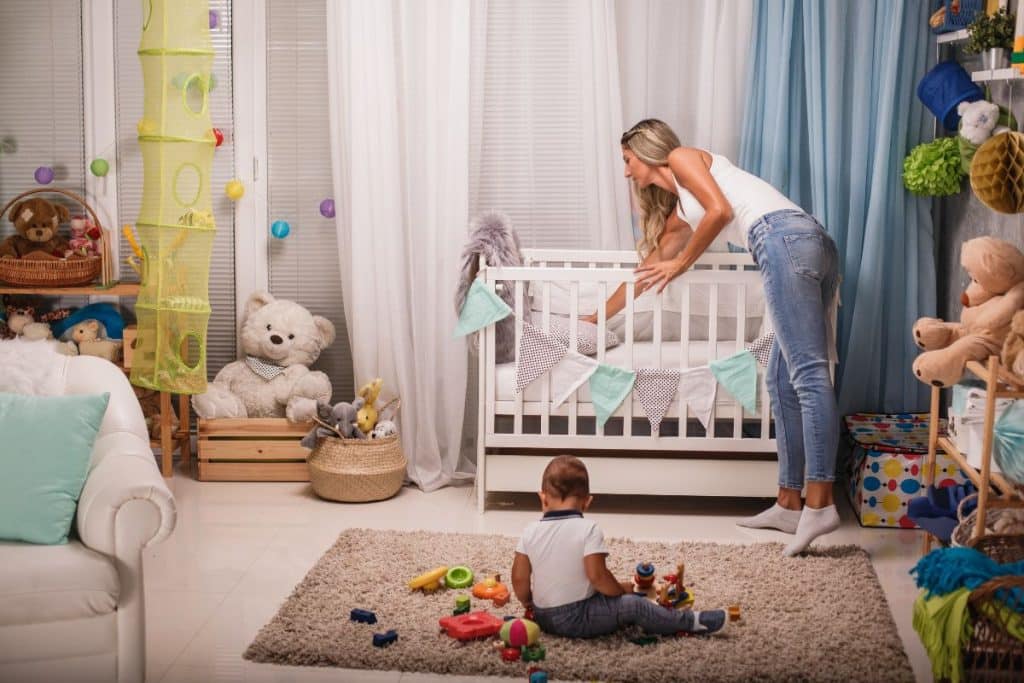
A good nanny can manage routines and supervise children effectively. A great nanny, however, becomes a trusted extension of the family—someone who contributes not only to childcare, but to the emotional stability, structure, and overall well-being of the household.
The difference is not always easy to identify on paper. It goes far beyond years of experience or certifications. Often, it’s reflected in how a nanny communicates, adapts, anticipates needs, and builds long-term trust with both parents and children.
For families seeking long-term childcare support, understanding these differences can make all the difference in finding the right fit.
Great Nannies Prioritize Connection, Not Just Care
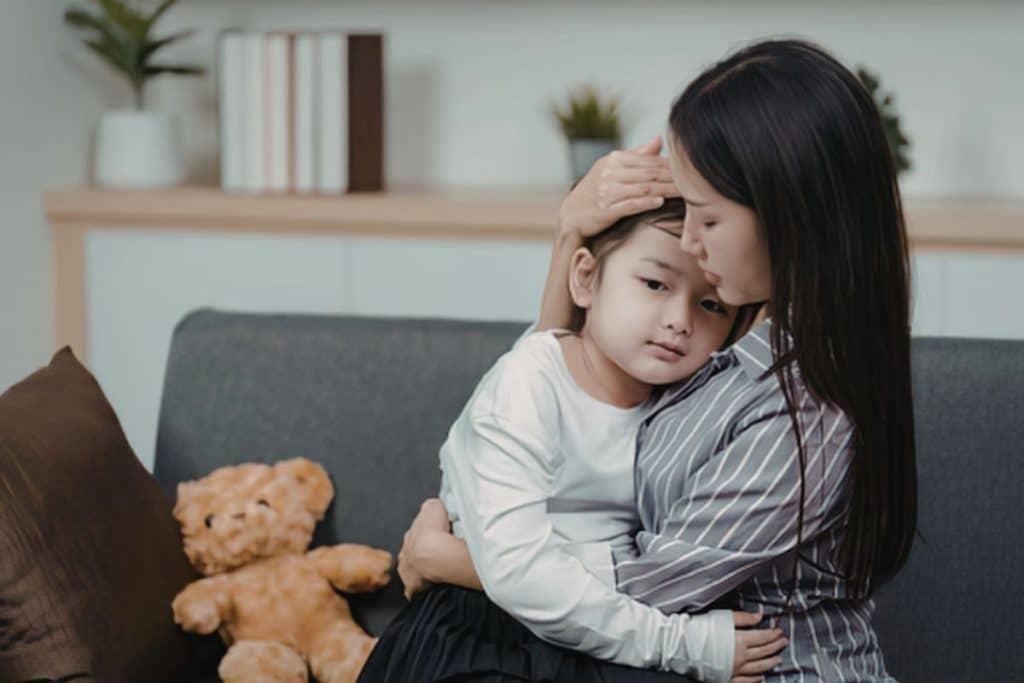
A good nanny ensures children are fed, supervised, and safe. A great nanny goes further by building meaningful emotional connections.
Children thrive in environments where they feel emotionally secure and understood. Great nannies recognize that caregiving is not just about completing tasks—it’s about building trust and consistency.
This often includes:
Learning each child’s personality and emotional needs
Great nannies understand the importance of these interactions and approach childcare with emotional awareness and intentionality.
They Anticipate Needs Before Problems Arise
One of the clearest differences between a good nanny and a great one is proactivity.
A good nanny responds to situations as they happen. A great nanny anticipates needs before they become problems.
This may include:
Preparing activities before children become restless
Managing transitions smoothly
Noticing emotional changes early
Organizing routines proactively
Identifying ways to improve household flow
This proactive mindset creates a calmer and more organized environment for both parents and children.
Families often describe great nannies as individuals who make daily life feel easier without needing constant direction.
Great Nannies Adapt to the Family’s Lifestyle
Every family operates differently.
Some households are highly structured, while others are fast-paced and constantly evolving. Some parents work from home, while others travel frequently or manage demanding professional schedules.
A great nanny understands how to adapt within the family’s existing lifestyle rather than forcing a rigid approach.
Adaptability may involve:
Flexibility with scheduling
Adjusting communication styles
Navigating changing routines
Remaining calm during unexpected situations
Integrating naturally into the household dynamic
This flexibility becomes especially important in modern households where schedules and responsibilities can shift quickly.
compatibility and lifestyle alignment often matter more than experience alone.
Communication Is One of Their Greatest Strengths
Strong communication is one of the most underrated qualities in exceptional childcare providers.
Great nannies understand how to communicate clearly, professionally, and respectfully with parents while maintaining healthy boundaries.
This includes:
Providing updates without overwhelming parents
Discussing concerns constructively
Asking thoughtful questions
Maintaining professionalism during stressful situations
Creating transparency and trust
Poor communication is one of the leading causes of frustration in nanny-family relationships. Great nannies help prevent misunderstandings by fostering open and consistent communication from the beginning.
Great Nannies Support Child Development Intentionally
Exceptional childcare providers understand that children are constantly learning and developing.
Rather than simply supervising activities, great nannies intentionally support development through:
Age-appropriate learning opportunities
Encouraging creativity and curiosity
Building emotional intelligence
Reinforcing routines and structure
Supporting social development
According to HealthyChildren.org by the American Academy of Pediatrics, consistent developmental engagement is essential during early childhood years.
Great nannies approach everyday interactions as opportunities to help children grow emotionally, socially, and intellectually.
They Bring Calmness to the Household
One of the most valuable qualities a great nanny provides is emotional steadiness.
Children naturally look to adults for cues about how to respond during stressful moments. Great nannies maintain composure during challenges and create a sense of calm within the household.
This may include:
Handling tantrums patiently
Navigating schedule disruptions calmly
Remaining composed during emergencies or stressful situations
Creating predictable routines for children
Parents often notice that the overall atmosphere of the home improves when a calm and emotionally intelligent caregiver is present consistently.
Great Nannies Respect Professional Boundaries
Strong nanny-family relationships are built on trust and closeness, but professionalism remains essential.
Great nannies understand the importance of:
Confidentiality
Respecting household privacy
Maintaining professional communication
Following agreed-upon expectations
Balancing warmth with professionalism
This is especially important for high-profile or private families who require discretion and reliability within their homes.
Professionalism helps create stability and long-term trust between both parties.
They Continuously Learn and Grow
Exceptional nannies understand that childcare is an evolving profession.
Many pursue ongoing education in areas such as:
Child development
CPR and safety certifications
Newborn care
Behavioral support
Educational strategies
A willingness to continue learning demonstrates professionalism and commitment to providing high-quality care.
The International Nanny Association emphasizes continuing education and professional standards as key characteristics of top childcare providers.
Great Nannies Build Long-Term Relationships
A truly great nanny often becomes one of the most consistent figures in a child’s early life.
Long-term placements create benefits that extend far beyond convenience, including:
Emotional security for children
Greater household stability
Stronger routines
Reduced parental stress
Deep trust over time
Children thrive when they experience consistency and reliable caregiving relationships.
This is why many families prioritize long-term fit and compatibility when hiring rather than simply focusing on immediate availability.
Why Families Are Choosing Professional Nanny Agencies
Finding a truly exceptional nanny can be difficult without guidance and proper vetting.
Professional nanny agencies help families identify candidates who possess not only qualifications, but also the emotional intelligence, professionalism, and compatibility required for long-term success.
At Elite Nanny League, placements are designed around more than experience alone. The focus is on creating meaningful matches between families and caregivers that support long-term stability and trust.
Final Thoughts
A good nanny fulfills responsibilities. A great nanny elevates the entire household experience.
The difference often comes down to qualities that cannot always be measured on a résumé alone: emotional intelligence, adaptability, communication, professionalism, and the ability to create genuine connection.
For families seeking long-term childcare support, recognizing these qualities early can lead to stronger relationships, greater stability, and a healthier environment for everyone involved.
Because ultimately, the best nannies do more than care for children—they become trusted partners in helping families thrive.