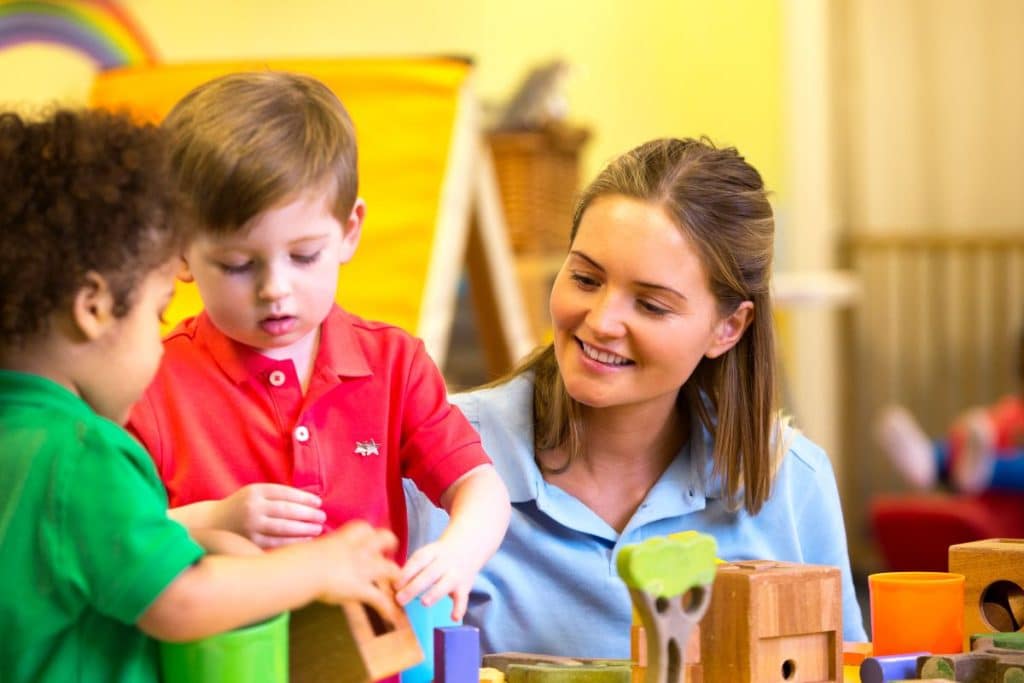
When families think about hiring a nanny, they often focus on practical benefits like dependable childcare, flexible scheduling, or help managing busy routines. While those advantages are important, one of the greatest contributions a professional nanny makes is often less visible but equally impactful: supporting a child's emotional development.
From infancy through adolescence, children are constantly learning how to identify emotions, manage challenges, build relationships, and develop confidence. The adults who care for them each day play a vital role in shaping these lifelong skills. A professional nanny provides much more than supervision—they become a trusted, consistent presence who helps children navigate their emotional world.
At Elite Nanny League, we believe exceptional childcare extends beyond meeting physical needs. We carefully match families with experienced nannies who understand child development and know how to foster emotional well-being alongside learning and growth.
In this guide, we'll explore how nannies help children develop emotional intelligence, resilience, confidence, and healthy relationships—and why these skills are essential for lifelong success.
Why Emotional Development Matters
Emotional development refers to a child's ability to:
Recognize emotions
Express feelings appropriately
Build healthy relationships
Develop empathy
Regulate emotions
Handle disappointment
Solve conflicts
Build self-confidence
These abilities influence every stage of life, including academic performance, friendships, family relationships, and future careers.
A professional nanny provides consistency through:
Daily routines
Predictable responses
Reliable caregiving
Familiar schedules
Stable emotional support
Unlike rotating caregivers, a dedicated nanny becomes a dependable presence in a child's daily life. This consistency helps children feel safe enough to explore, learn, and express themselves.
Building Secure Attachments
Healthy emotional development begins with secure relationships.
Children develop trust when caregivers consistently respond to their needs with warmth, patience, and reliability.
Professional nannies build secure attachments by:
Responding calmly to distress
Offering comfort during difficult moments
Listening attentively
Respecting boundaries
Providing encouragement
Remaining emotionally available
These everyday interactions help children feel valued, understood, and secure.
Children often experience emotional challenges during periods of change, including:
Starting school
Welcoming a new sibling
Moving to a new home
Family schedule changes
Divorce
Loss of a loved one
A consistent nanny provides stability during these transitions, helping children process emotions while maintaining familiar routines.
Promoting Positive Self-Esteem
Healthy self-esteem develops when children feel loved, capable, and respected.
Professional nannies build confidence by:
Acknowledging effort
Encouraging new experiences
Celebrating achievements
Respecting individuality
Avoiding unnecessary comparisons
These everyday interactions help children develop a positive sense of self.
Encouraging Healthy Communication
Strong communication skills begin in early childhood.
Nannies model respectful conversations by:
Listening without interruption
Asking open-ended questions
Encouraging problem-solving
Helping children express needs respectfully
Children who practice these skills often experience stronger relationships throughout life.
Supporting Emotional Development at Every Age
Infants
Nannies support emotional growth by responding promptly to needs, maintaining eye contact, talking, singing, and providing comforting routines that foster secure attachment.
Toddlers
Toddlers benefit from guidance identifying emotions, learning simple coping strategies, and practicing independence within safe boundaries.
Preschoolers
At this stage, children develop empathy, cooperation, and emotional vocabulary through play, storytelling, and social interactions.
School-Age Children
Nannies help children navigate friendships, academic stress, confidence, and increasing independence while providing emotional encouragement.
Teens
For adolescents, professional nannies can offer structure, respectful communication, mentorship, and consistent support during a period of significant emotional growth.
The Role of Professional Training
Experienced nannies bring valuable knowledge of child development, age-appropriate expectations, and positive behavior guidance.
Many professional caregivers pursue continuing education in:
Child development
First aid and CPR
Positive discipline
Infant care
Functional needs
Early childhood education
This expertise enables them to respond thoughtfully to children's emotional and developmental needs.
Choosing the Right Nanny Matters
Not every nanny has the same approach to emotional development.
When hiring a caregiver, look for someone who demonstrates:
Patience
Warmth
Strong communication skills
Emotional maturity
Consistency
Understanding of child development
A collaborative attitude with parents
At Elite Nanny League, our placement process goes beyond resumes and qualifications. We carefully evaluate each candidate's caregiving philosophy, experience, and ability to foster meaningful, supportive relationships with children. Our goal is to match families with nannies who provide not only exceptional care but also the emotional guidance children need to thrive.
Final Thoughts
A professional nanny contributes far more than daily childcare. Through consistent care, empathy, positive guidance, and meaningful relationships, they help children develop emotional intelligence, resilience, confidence, and the social skills needed for lifelong success.
While parents remain a child's primary influence, a trusted nanny becomes an important partner in supporting healthy emotional growth. Together, parents and caregivers create an environment where children feel secure, valued, and empowered to navigate life's challenges with confidence.
Choosing the right nanny is an investment not only in your family's daily routine but also in your child's emotional well-being for years to come.